Is 2026 the Year We Calm Down With Content?
There’s a conversation happening quietly in the background right now. Not the loud “attention spans are dead” one. A calmer, more grounded one. One that I heard discussed on a podcast last week (and of course I've forgotten which one!)
It goes something like this.
“I like content. I just don’t want to feel hijacked by it.”
And honestly, same.
I still enjoy short-form content. I scroll. I laugh. I learn things. I send videos to friends. I’m not pretending I’ve transcended it all and moved to a digital monastery.
But my habits have definitely changed.
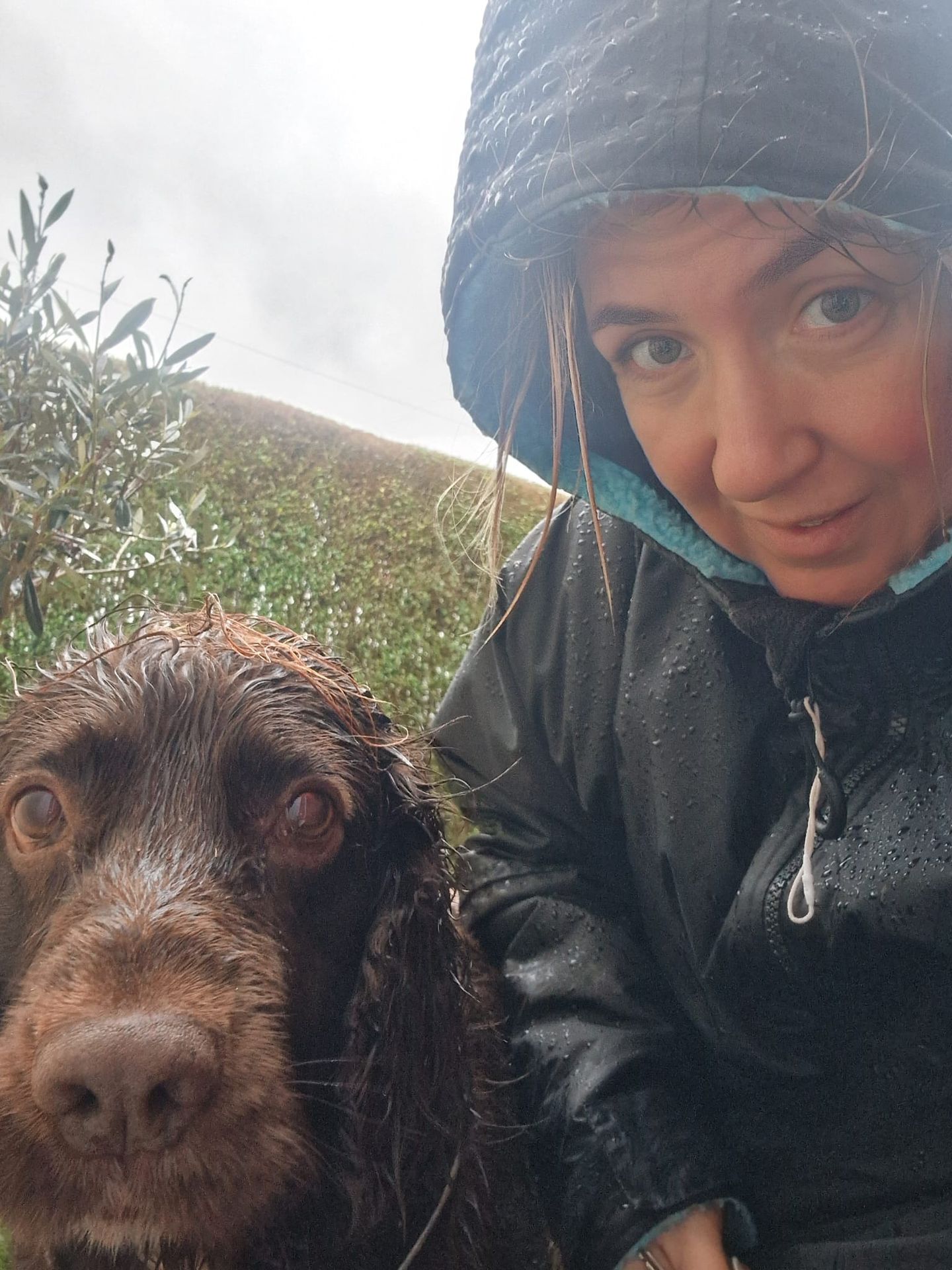
When I’m walking the dog, I almost always have an earbud in. A podcast. An audiobook. Something that feels like company rather than noise. When I’m at home, I’ll often put on a longer YouTube video in the background. I’m working, doing house stuff, thinking, living. My phone isn’t in my hand. I’m not trapped in a scroll loop. It feels supportive, not draining.
That shift feels important.
Short-Form Is Still Useful. It’s Just Not the Whole Picture
Short-form content isn’t going anywhere. And it shouldn’t. It’s brilliant for discovery, quick inspiration, and staying visible.
Around 90 percent of Gen Z and Millennials regularly watch short-form video on platforms like TikTok, Instagram Reels and Facebook Shorts.
Over 70 percent of people say they prefer short videos when they’re discovering a new product or idea.
That makes sense. Short-form gets attention. It opens the door.
And here’s the bit people forget. Discovery is not the same as depth.
More than half of Gen Z also watches long-form video on social platforms like YouTube. They are choosing it intentionally, not just tolerating it.
So no, attention spans haven’t vanished. People are just being more selective about what they give their attention to.
This Isn’t Just One Generation Waking Up
Everyone loves to blame “the kids” for attention issues, but this shift is showing up everywhere.
Younger generations absolutely enjoy fast, visual content. At the same time, Gen Z is showing a growing interest in calmer, more intentional digital experiences. Pinterest’s 2026 trend data points to nostalgia, slower consumption and curated digital spaces becoming more appealing.
That’s where the flip phone conversations come from. The DVDs. The box sets. It’s not about rejecting technology. It’s about reducing noise.
Millennials, which includes a lot of us reading this, tend to sit right in the middle. We like quick content and we like depth. We scroll for ideas, then we listen to podcasts while walking or cleaning or driving. We want content that fits into real life.
Gen X and Boomers generally spend longer with individual pieces of content and are more comfortable with long-form video and deeper engagement.
So this isn’t a collapse of attention. It’s an evolution of how people want to use it.
Doomscrolling Isn’t a Moral Failing
Let’s clear this up.
People aren’t weak for doomscrolling. Their nervous systems are responding to constant stimulation.
Research into attention spans shows that digital overload fragments focus and increases mental fatigue across all age groups.
So when people reach for slower formats, background listening, longer videos, physical media, it’s not nostalgia for nostalgia’s sake. It’s regulation.
It’s the body saying, “I need less interruption and more continuity.”
What This Means for 2026
I don’t think 2026 is the year short-form content dies.
I think it’s the year people stop forcing themselves to consume content in ways that don’t suit them.
Short-form still has a place. It’s fun. It’s useful. It’s part of the ecosystem.
But longer content, audio, and background media are becoming more valuable because they allow people to live their lives while staying connected, informed and inspired.
That’s the sweet spot.
And here’s the bit I want you to hear if you’re a business owner, creator or service provider.
You do not need to be everywhere, all the time, shouting into every platform.
You need a mix that works for real humans.
Something that sparks attention.
Something that builds trust.
Something that lets people stay with you without feeling overwhelmed.
That’s achievable. It’s doable. And it doesn’t require burnout.
If attention is one of the most valuable resources we have, then 2026 feels like the year we start treating it with a bit more respect. Ours and other people’s.
And in all honesty - I'm here for it!